To cheer us up after these rather dull, grey and definitely autumnal last few days, here is a nice burst of colour from the garden. I must admit that I took these photos last weekend, when the light was better, but the flowers are all still going, though looking a little more bedraggled now. Above is an annual dahlia, grown from seed, which I shoved in a pot and put outside the front door. As it turned out, this is the best plant because the ones in the back garden have been decimated by snails!
White cosmos, again grown from seed, also in the pot at the front door.
A geranium versicolour showing beautiful veining.
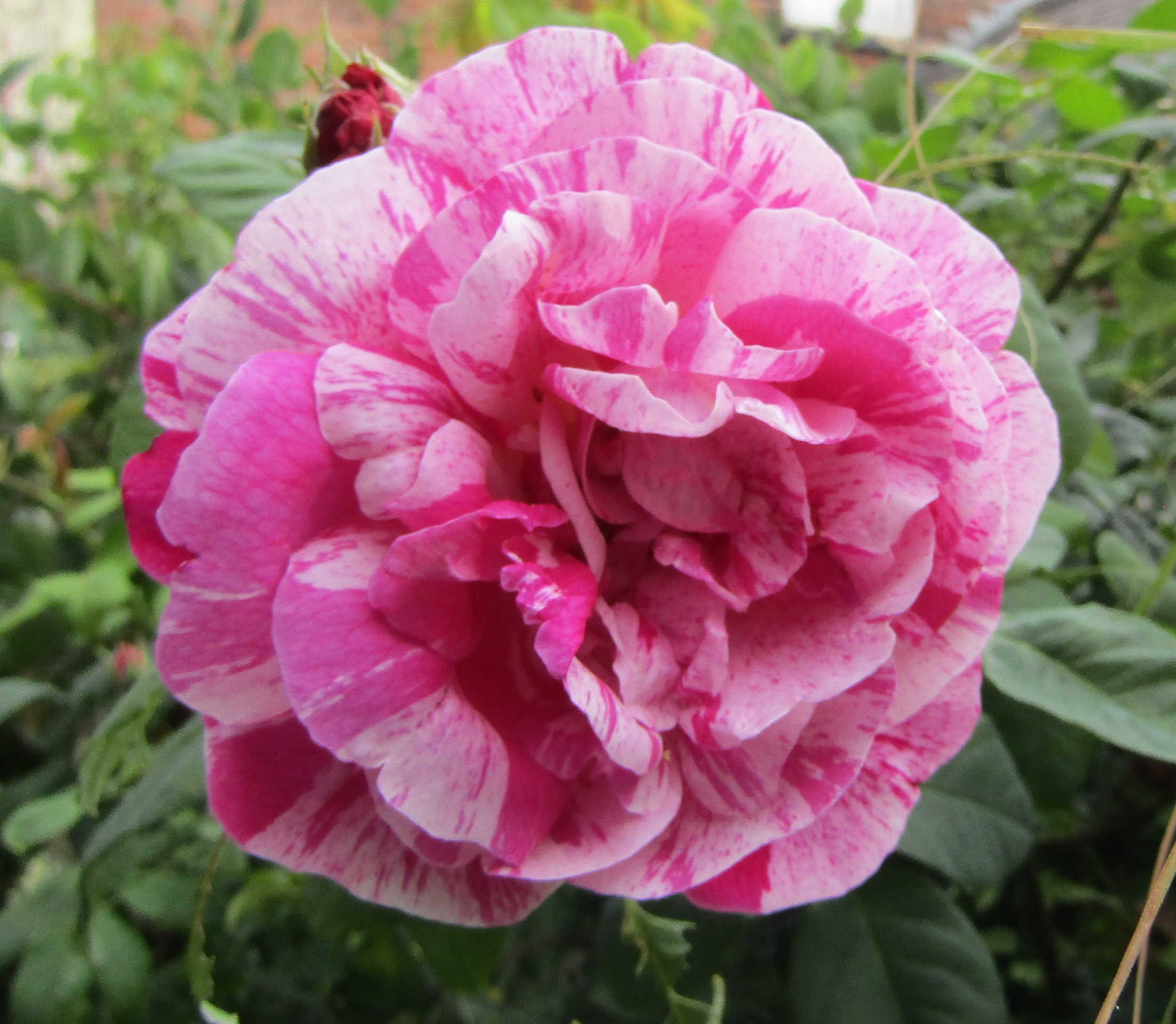
Rose Mary Rose, with the slowly opening buds of caryopteris.
Crocosmia 'Honey Angels' with a shot of yellow to enliven the border. This is a great plant, not too tall and it has come through the last winter or two beautifully. I have ordered a couple more of these.
A sugar pink phlox flower, bought as part of a a bare root collection earlier this year.
My favourite geranium, Rozanne, which has been voted plant of the century by the RHS members. (I voted for it too!)
Another cosmos, in a pot in the back garden.
Clematis Crystal Fountain, showing the stages of the flowers. I like the pom pom left after the petals have fallen.
Hydrangea Endless Summer 'The Bride'.
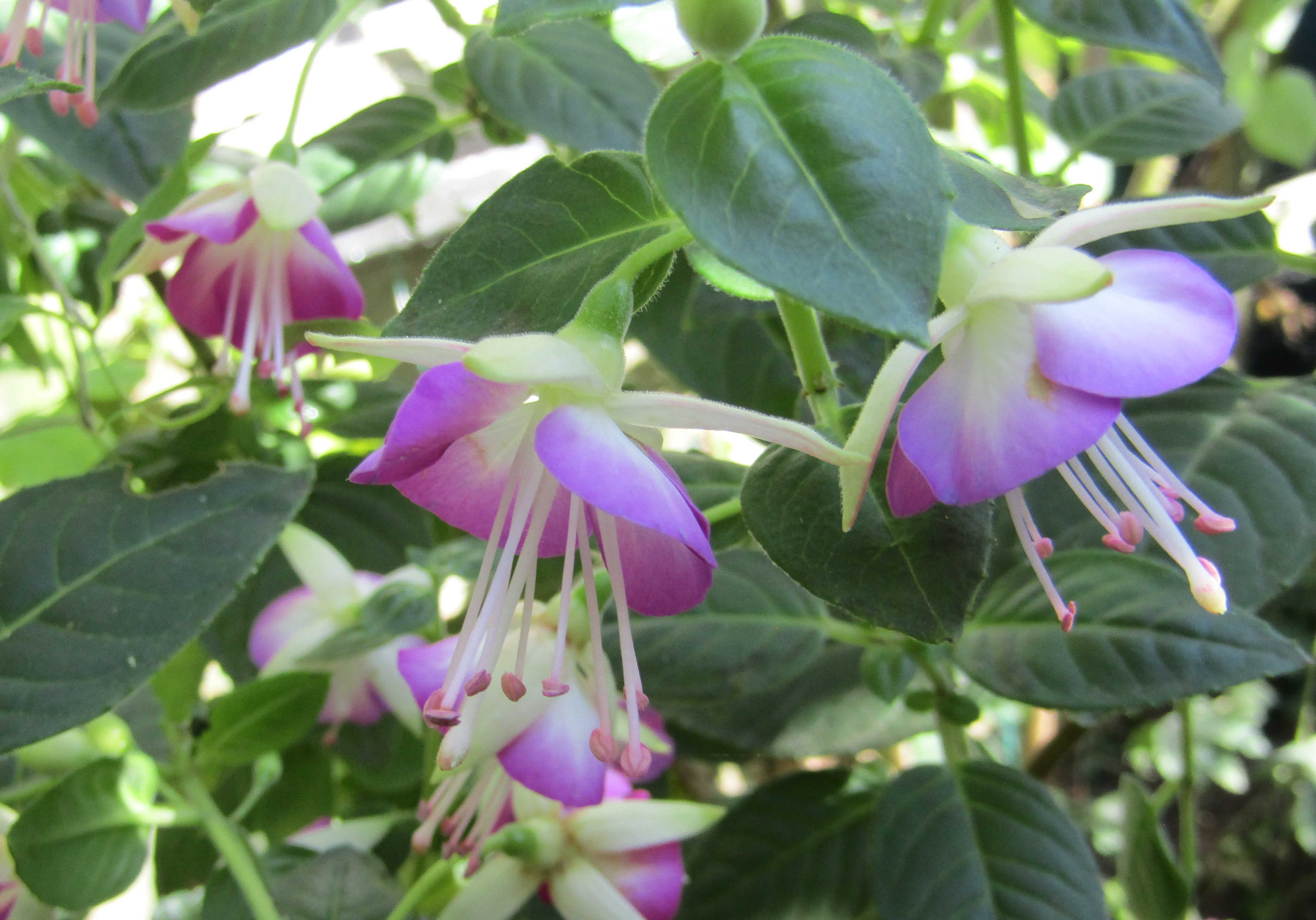
A pretty fuchsia 'Thamar', which is also in a pot and which came through last winter.
A recent addition bought from Barnsdale; Helenium 'Ruby Tuesday' which is a compact variety, again in a pot.
Beautiful rusty red flowers.
More hydrangeas - Endless Summer 'Pink'.
A relatively new hydrangea, with blue flowers but no name. I'm not sure how hardy this will be, but I couldn't resist the delicate blue/purple flowers.
The colours have definitely brightened my day and I hope you have enjoyed them too.